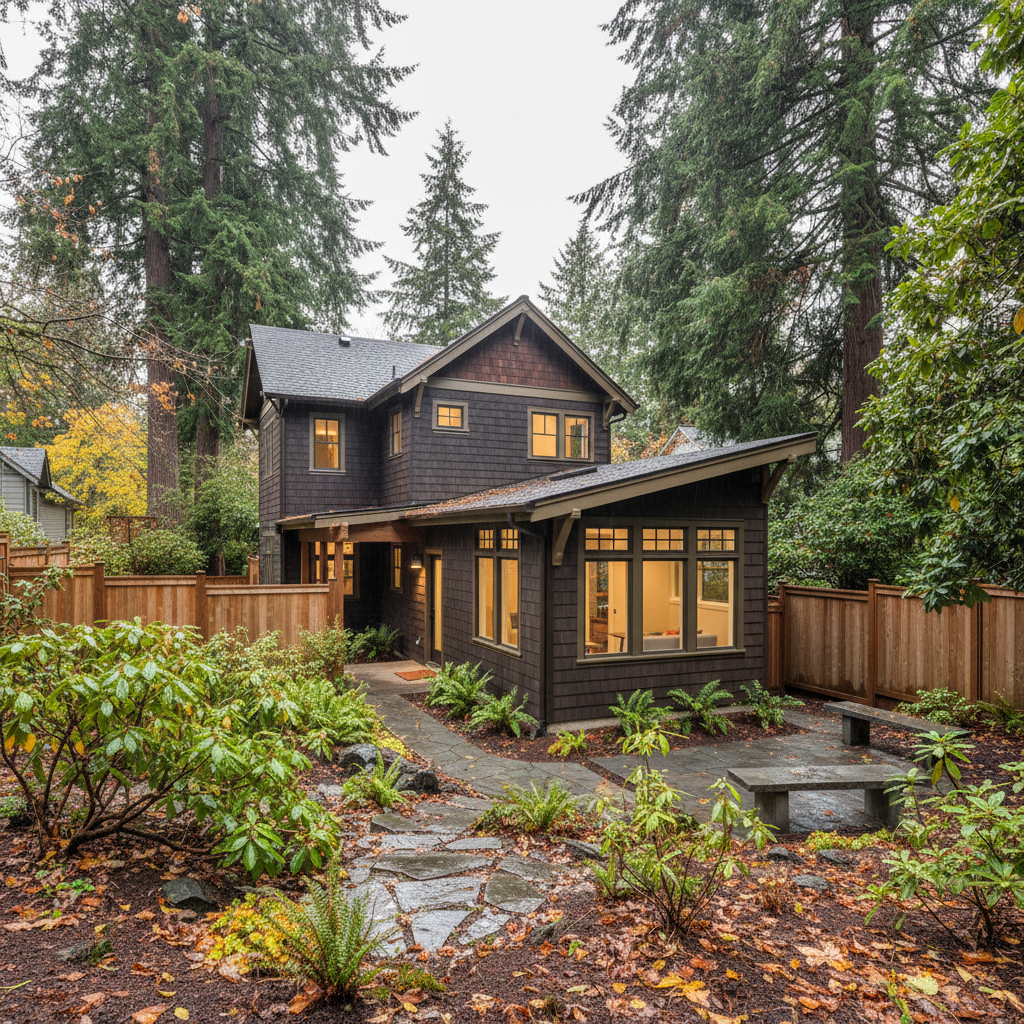
Let us talk about Attached ADUs in Seattle. You are probably looking to add living space for your family as well as for a renter. This is a smart move for homeowners in Seattle. Building in the Pacific Northwest is not just about blueprints as well as budgets. It is also about dealing with the weather. Our Seattle weather dictates a lot of things. You will have problems later if you do not plan around it.
When to Schedule Your Attached ADU Project
Timing is important for an Attached ADU project. This is especially true when you are connecting to an existing structure. You can build year-round in our mild climate. However, some seasons are better for certain parts of an Attached ADU project.
- Design and Permitting: Winter (November - April) This is the best time for planning your Attached ADU. The rain is often coming down outside during these months. You should be finishing your designs as well as getting your permits. Seattle's permit review times can change. Getting your complete, code-compliant plans submitted in the winter means you are ready before the spring rush. Our team also finds that architects as well as builders are not as busy with active construction during this time.
- Groundbreaking & Exterior Work: Late Spring to Early Fall (May - October) This is the time when you want to start digging as well as get the outside shell built for your Attached ADU. Dry weather is important for foundations as well as framing as well as roofing as well as siding. Seattle gets about 37 inches of rain every year. Most of this rain falls between November and March. Trying to do a lot of outside work, especially connecting to your main home, during our wet season can cause moisture problems. You want to get that structure closed up before the serious fall rains hit Seattle.
- Interior Finishes: Anytime, but often Fall/Winter Your Attached ADU is dried in and sealed up by this point. Interior work like electrical as well as plumbing as well as insulation as well as finishes can happen any time of year. You will be doing this work during the wetter months if you planned your exterior work correctly. This keeps your Attached ADU project moving forward.
Weather Conditions That Affect the Work
Seattle's climate is not just about rain. It is a mix of conditions that can affect construction for an Attached ADU. You need to know about these conditions. This helps you understand possible delays as well as make sure the quality is good.
- Rain and Moisture: This is the biggest factor for an Attached ADU in Seattle. Our frequent, often long, light-to-moderate rain means the ground stays wet for a long time. This can affect digging as well as concrete pours. Concrete needs protection from rain while it dries. Wet as well as muddy sites are harder as well as slower to work on. High humidity can also cause problems for materials like drywall if it is not managed correctly.
- Temperature Fluctuations: We do not get very hot or very cold temperatures often. However, Seattle's temperatures can make materials expand as well as shrink. This is important for roofing as well as siding. Proper installation needs to account for these movements. This helps prevent cracks as well as weak spots for your Attached ADU.
- Soil Composition: Many parts of Seattle, especially on hills, have clay-heavy soils. This soil holds moisture against foundations for a long time. This means proper drainage as well as waterproofing are very important for any Attached ADU. This is especially true if you are building a basement conversion as well as an addition with a new foundation.
- Limited Winter Daylight: Shorter daylight hours in winter mean less time for outside work. This can slow down Attached ADU projects in Seattle.
Protecting Your Attached ADU Investment Year-Round
An Attached ADU is an extension of your primary home. Protecting it from our Seattle climate is just as important. Seattle ADU Solutions tells our clients these things:
- Superior Waterproofing and Drainage: This is not an area to save money on for your Attached ADU. You need a multi-layered defense. This means a vapor barrier under the concrete slab. It also means polymer-modified bituminous waterproofing on foundation walls. In addition, you need a solid foundation drainage system with perforated pipes as well as gravel. You must make sure the ground slopes away from your ADU's foundation by at least 6 inches over 10 feet. Gutters as well as downspouts should send water at least 5 feet away from the structure.
- Climate-Resilient Materials: Our marine climate is hard on outside materials in Seattle. Standard materials that work well in drier places might fail quickly here. This is because of constant humidity as well as driven rain. Think about fiber cement siding. This material resists mold as well as warping. Standing seam metal roofs are also good for shedding water from your Attached ADU.
- Ventilation is Key: Seattle's high rainfall means moisture buildup is always a problem. Good ventilation is important to stop mold as well as keep good indoor air quality. Consider whole-house ventilation systems for your Attached ADU. Your roof needs proper attic ventilation. This means about 1 square foot per 150 square feet of attic space. It also needs equal intake as well as exhaust.
- Seal Everything Tight: The building envelope needs to be sealed correctly for your Attached ADU. This includes a weather-resistant barrier (WRB) with proper overlaps as well as flashing at all openings like windows as well as doors. Make sure windows as well as doors are sealed well with weatherstripping as well as gaskets. This helps stop moisture as well as air leaks.
- Regular Inspections and Maintenance: Do not just build your Attached ADU and forget about it. Our Seattle weather will test your ADU all the time. Regularly check your gutters for clogs. Inspect siding as well as roofing for any signs of wear or damage. Keep an eye on your foundation as well as drainage. Moss as well as algae grow well in our damp climate. This is especially true on roofs as well as hardscapes. Addressing it early helps prevent damage as well as slip hazards.
Building an Attached ADU in Seattle is a solid investment. Seattle ADU Solutions makes sure it is built to last against everything our beautiful, rainy city can bring. Plan smart as well as build tough. You will enjoy that extra space for many years to come.